
Thermal Fluids and Thermo-Mechanical Analysis for John Deere Electronics Solutions
NLR supported John Deere Electronic Solutions (JDES) in thermal design optimization and thermo-mechanical modeling of critical inverter components for wide-bandgap power electronics.
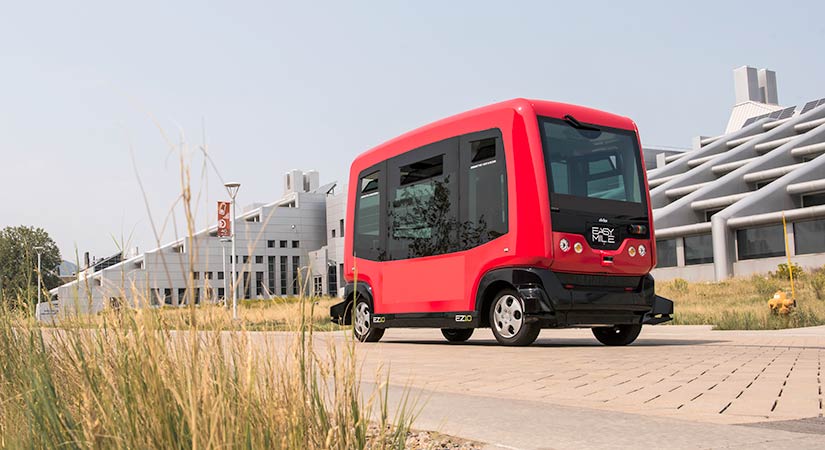
Funded through PowerAmerica and led by JDES, NLR helped to design, develop, fabricate, and validate wide-bandgap power electronics systems for all-electric vehicles.
In previous efforts, (published as an NREL technical report), NLR and JDES partnered in the successful development, manufacturing, and in-vehicle demonstration of a power-dense, high-temperature, and energy-efficient silicon carbide inverter.
Then, NLR provided thermal design optimization and thermo-mechanical modeling and analysis of critical components. NLR’s thermo-mechanical analysis included:
- Cooling design and thermal performance impacts of alternative manufacturing processes
- Die, package, and interface material analysis for power module reliability
- Manufacturing process impacts versus thermal cycling impacts on power module reliability
- Power module stress and deflection for safety and coolant system sealing
- Inverter enclosure stress and deflection based on operating and JDES safety requirements.
The research supported JDES's PowerAmerica project milestone for the U.S. Department of Energy's Advanced Materials and Manufacturing Technologies Office.
Impact
Wide-bandgap power electronic components offer lighter, more compact, increasingly efficient, higher-voltage, and potentially robust alternatives to traditional silicon components. By continuing this research, NLR is helping reduce investment risk in components that are used in electrified vehicles, which can help lower costs.
Capabilities
Learn more about NLR's power electronics and electric machines research capabilities.
Contact
Share

Last Updated Jan. 16, 2026