
Explore our collection of new stories for this topic.
Search or filter for a specific story using the options below.
October 2016
News Release: NREL Researchers Discover How a Bacterium, Clostridium thermocellum, Utilizes both CO² and Cellulose to Make Biofuels
Scientists at the U.S. Department of Energy’s National Renewable Energy Laboratory (NREL) made the surprise discovery that a metabolic pathway to take up CO2 exists and functions in a microorganism capable of breaking down and fermenting cellulosic biomass to produce biofuels including hydrogen and hydrocarbons.
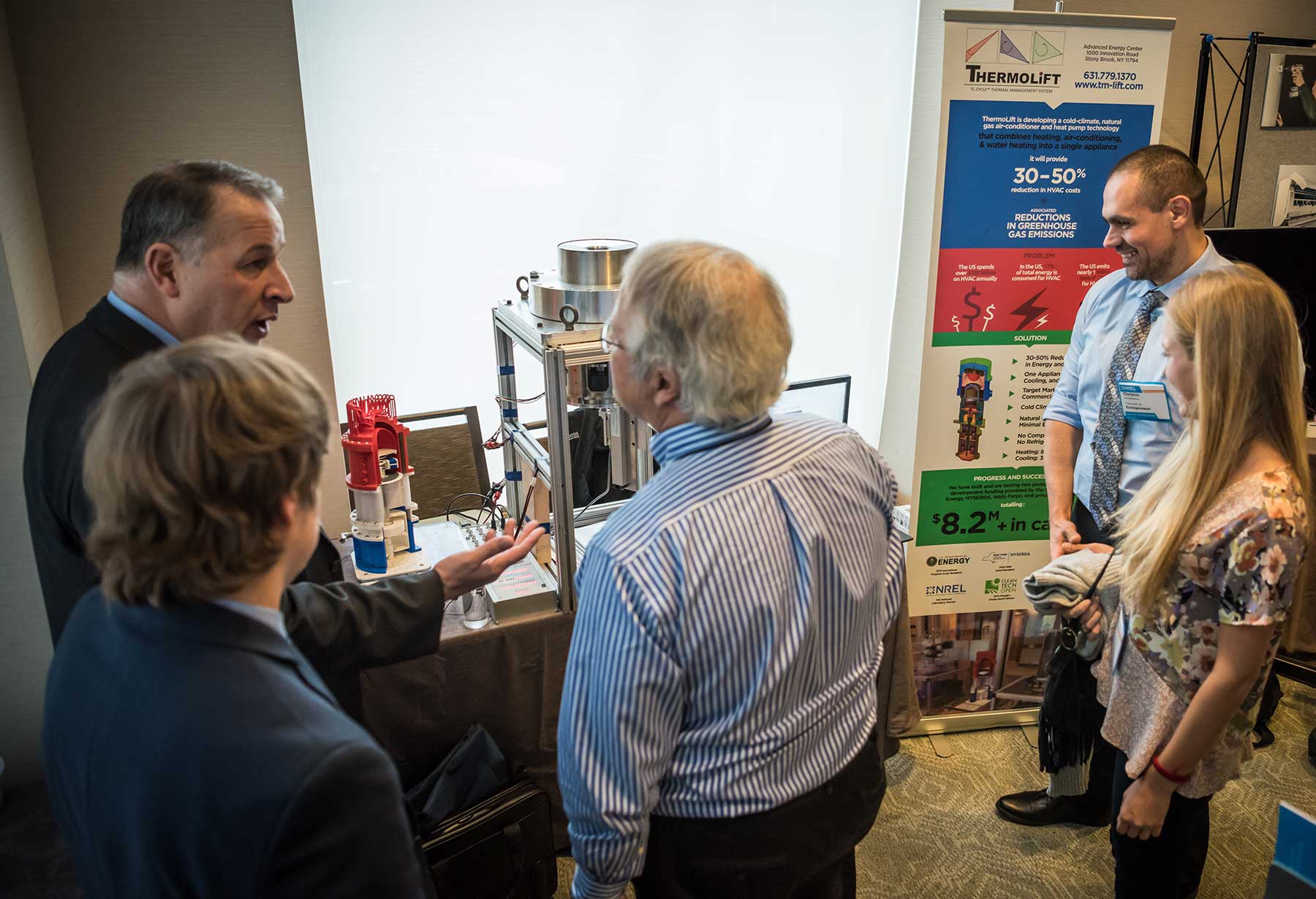
NREL Innovation Showcase Helps Move Start-ups Closer to Market
Through several programs at numerous Department of Energy (DOE) National Labs, researchers are working with clean technology entrepreneurs on the innovative technologies that will shape our nation's clean energy future; but this type of big thinking extends far beyond the research lab.
News Release: NREL to Lead New Consortium to Develop Advanced Water Splitting Materials for Hydrogen Production
The Energy Department's National Renewable Energy Laboratory (NREL) has formed a new consortium with five other national labs intended to accelerate the development of commercially viable pathways for hydrogen production from renewable energy sources. The consortium, named HydroGEN Advanced Water Splitting Materials Consortium (HydroGEN), also includes Sandia National Laboratories, Lawrence Berkeley National Laboratory, Idaho National Laboratory, Lawrence Livermore National Laboratory, and Savannah River National Laboratory.
IEEE Spectrum: Can Smarter Solar Inverters Save the Grid?
NREL’s Ben Kroposki writes about how smart solar inverters and a new technique called virtual oscillator control can help stabilize the power grid in a new article.
NREL Pilot Facility Co-Produces Bio-Derived Fuel Intermediates with Petroleum Refinery Infrastructure
The National Renewable Energy Laboratory, in collaboration with partners, recently built a unique pilot-scale facility that can co-produce biomass-derived fuel intermediates with existing petroleum refinery infrastructure. The plant combines biomass pyrolysis with fluid catalytic cracking to demonstrate the potential to co-process biomass-derived streams with petroleum at an industrially relevant pilot scale.
News Release: Six Common City-Level Energy Policies Could Reduce Nationwide Carbon Emissions by up to 480 Million Metric Tons Annually
The Energy Department’s (DOE) National Renewable Energy Laboratory recently examined the carbon abatement potential of city actions in six policy areas as part of the DOE’s Cities Leading through Energy Analysis and Planning (Cities-LEAP) project. The analysis uses new data on energy use in more than 23,400 U.S. cities and estimates the aggregate impact of city actions related to: building energy codes, public transit, building energy incentives, rooftop photovoltaics, smart growth, and municipal actions. The results indicate that by 2035, these six common city-level policy approaches could reduce nationwide carbon emissions by 210–480 million metric tons of carbon emissions per year. That is a 7–19 percent reduction in carbon emissions for the average city relative to current city-level emissions.
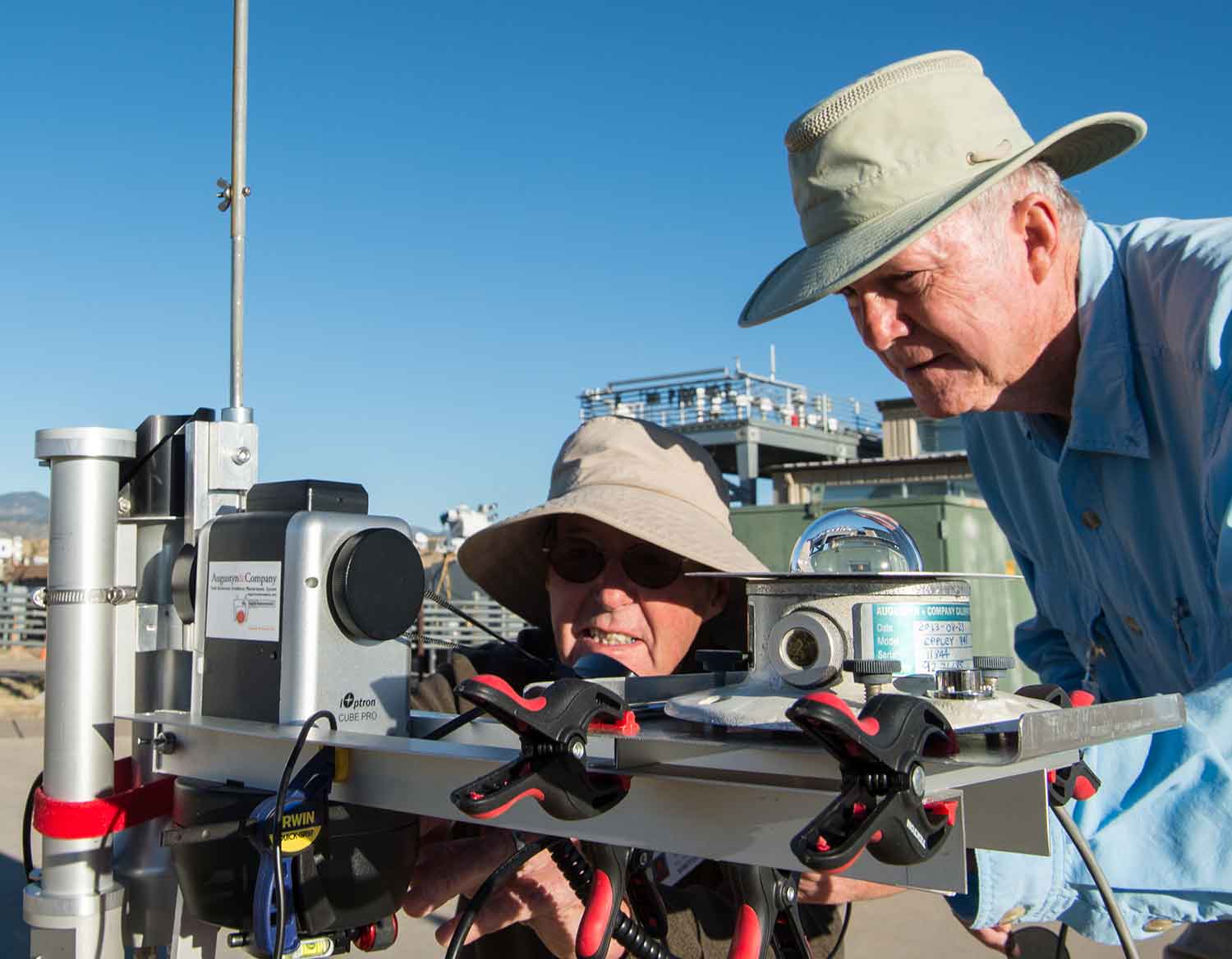
NREL's Solar Radiation Research Laboratory Offers a Mesa-Top Home for Global Measurement Accuracy
The NREL Pyrheliometer Comparisons help ensure that the devices scientists use for measuring solar irradiance are properly calibrated.
NREL and Fraunhofer ISE to Collaborate on Hydrogen and Fuel Cell Research
NREL and the Fraunhofer Institute for Solar Energy Systems (Fraunhofer ISE) in Germany have signed a Memorandum of Understanding for close collaboration on hydrogen and fuel cell technologies research. The official launch took place on Monday, Oct. 10, at the "f-cell / World of Energy Solutions" conference in Stuttgart.
Share

Last Updated May 5, 2025